From Mermaid Gantt to Enterprise Roadmaps: A Journey Through Python and Procrastination

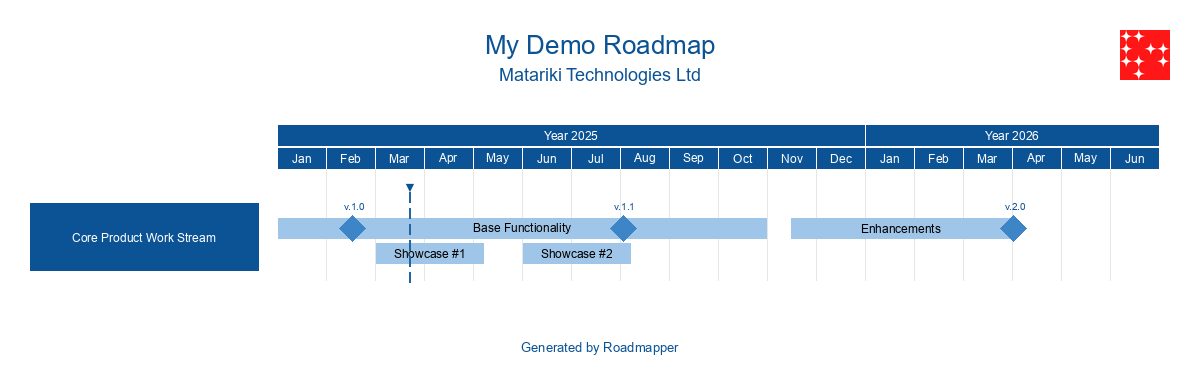
Hey folks! So, picture this: it’s a regular day, and someone drops a Mermaid Gantt diagram in my lap. “Can you make this… prettier?” they ask. “You know, for the executives. Make it look professional.” I look at this ASCII-art-meets-timeline monstrosity and think: how hard could it be? Narrator: It was about to become a whole journey. The Problem: When Gantt Charts Aren’t Gantt-y Enough You know Mermaid, right? That thing where you write text and it becomes diagrams? It’s great for documentation. Throw some code in your markdown, boom - instant diagram. But here’s the thing: Mermaid Gantt charts look like… well, they look like what a developer thinks executives want to see. ...

August 25, 2025 · 6 min · 1133 words · Pavel Nasovich

Measuring GitHub Copilot Productivity: What Actually Works (and What Doesn't)

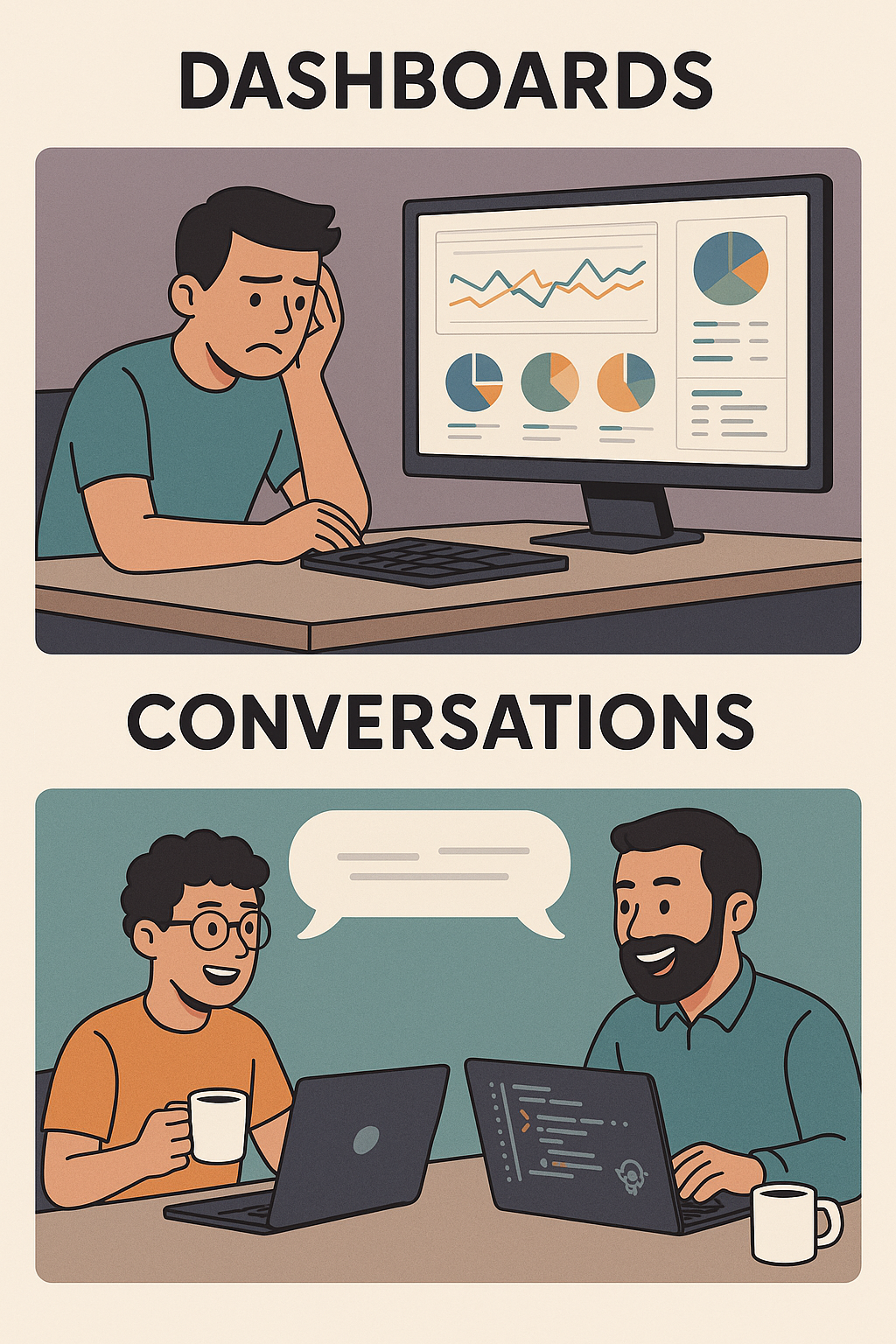
So you’re trying to figure out if GitHub Copilot is worth it? Join the club. I’ve been down this rabbit hole for the past few months, and honestly, it’s messier than the vendor slides suggest. Here’s the thing - everyone wants that magic number. “Copilot will make your developers X% more productive!” But after digging through actual data from teams using it (and yeah, running our own experiments), the reality is… complicated. ...

August 1, 2025 · 4 min · 720 words · Pavel Nasovich

Figma MCP: How I Learned to Stop Worrying and Let AI Read My Designs

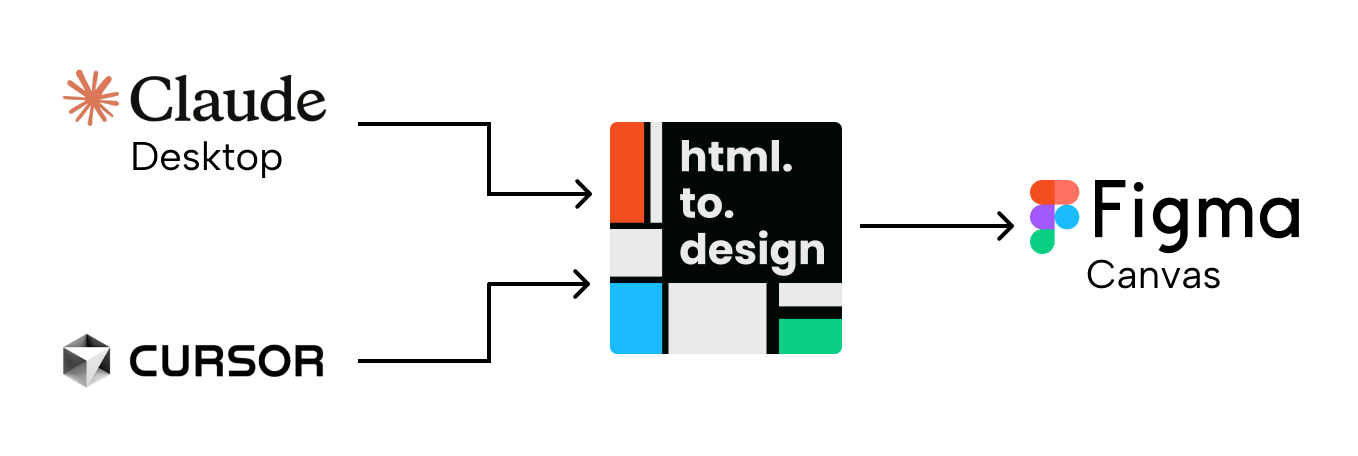
Hey folks! So, picture this: it’s 2 AM, I’m on my third energy drink, and my PM messages me - “can you make the button look EXACTLY like the Figma design?” For the 47th time. That day. Narrator: He could not, in fact, make it look exactly like the design. But then I discovered Figma MCP, and let me tell you - it’s like someone finally gave AI glasses to actually SEE what designers meant instead of guessing. Today I’m gonna share how to set this thing up without losing your sanity. Mostly. ...

July 31, 2025 · 9 min · 1771 words · Pavel Nasovich

Claude Code vs GitHub Copilot Agent: A Deep Dive Comparison of AI-Powered Coding Assistants

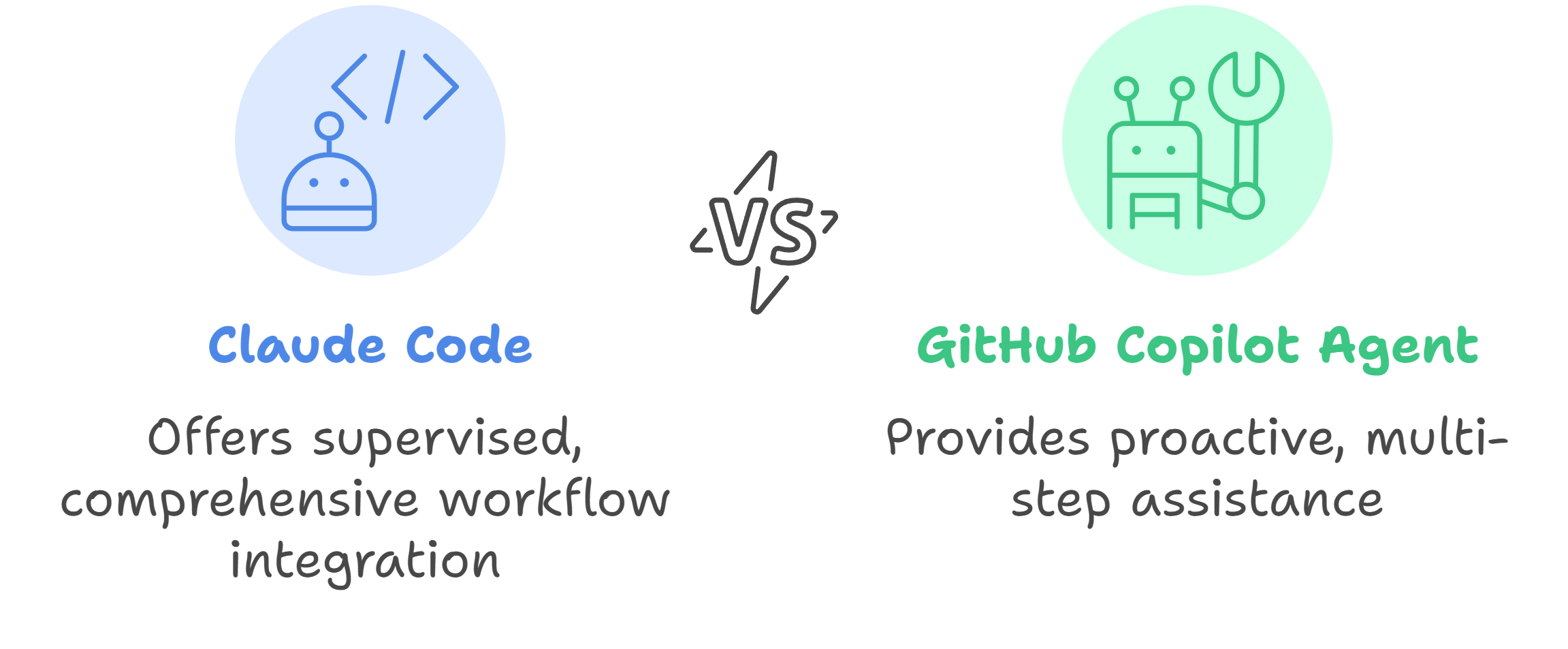
The advent of AI coding assistants has marked a paradigm shift in modern software development, transforming the coding process from a purely manual endeavor to a collaborative effort between human ingenuity and artificial intelligence. Initially emerging as sophisticated autocomplete tools, these assistants have rapidly evolved into intelligent “pair programmers,” significantly enhancing developer productivity and workflow efficiency. GitHub Copilot, launched in 2021, spearheaded this revolution by seamlessly integrating AI directly into developers’ Integrated Development Environments (IDEs), providing context-aware code suggestions and completions. By 2023, Copilot had become an indispensable tool for many, reportedly generating an average of 46% of developers’ code in enabled files and contributing to productivity gains of up to 55%. Building upon this foundation, early 2025 witnessed the arrival of a new generation of agentic coding assistants, designed to offer even more autonomous and proactive support: Claude Code and GitHub Copilot Agent. GitHub Copilot’s “agent mode,” introduced as a preview in February 2025, expanded Copilot’s capabilities beyond reactive suggestions to encompass more proactive and multi-step coding assistance. Concurrently, on February 24, 2025, Anthropic unveiled Claude Code, a “supervised coding agent” engineered to actively participate in comprehensive software development workflows. These near-simultaneous launches signify a pivotal moment, ushering in an era where AI can autonomously manage multi-stage development tasks and deeply integrate with complex codebases. ...

March 12, 2025 · 48 min · 10167 words · Pavel Nasovich