Beyond RAG: The Power of Temporal Memory for AI Agents with Graphiti

Introduction: The Memory Gap in Modern AI Systems The central challenge facing the next generation of advanced AI agents is the “Context Retention Challenge.” While architectures like Retrieval-Augmented Generation (RAG) have given agents access to vast external knowledge bases, they are often architecturally insufficient for dynamic enterprise environments where data, user preferences, and operational context evolve continuously. Traditional RAG systems, often powered by vector databases, are fundamentally reliant on static data sources. This design treats each interaction as an isolated event, preventing the system from building long-term memory or modeling the complex, relational dependencies inherent in the real world. ...

November 26, 2025 · 13 min

From Mermaid Gantt to Enterprise Roadmaps: A Journey Through Python and Procrastination

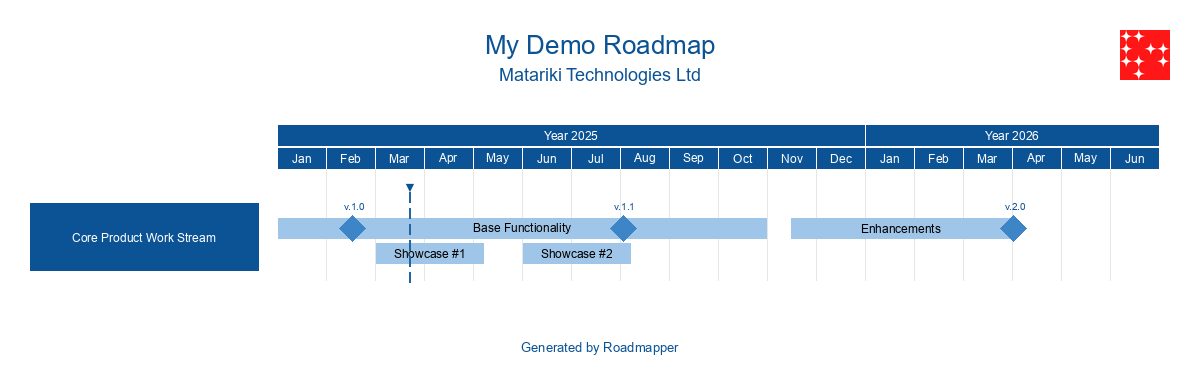
Hey folks! So, picture this: it’s a regular day, and someone drops a Mermaid Gantt diagram in my lap. “Can you make this… prettier?” they ask. “You know, for the executives. Make it look professional.” I look at this ASCII-art-meets-timeline monstrosity and think: how hard could it be? Narrator: It was about to become a whole journey. The Problem: When Gantt Charts Aren’t Gantt-y Enough You know Mermaid, right? That thing where you write text and it becomes diagrams? It’s great for documentation. Throw some code in your markdown, boom - instant diagram. But here’s the thing: Mermaid Gantt charts look like… well, they look like what a developer thinks executives want to see. ...

August 25, 2025 · 6 min

Microsoft Presidio: How I Learned to Stop Writing Regex and Love the Recognizer

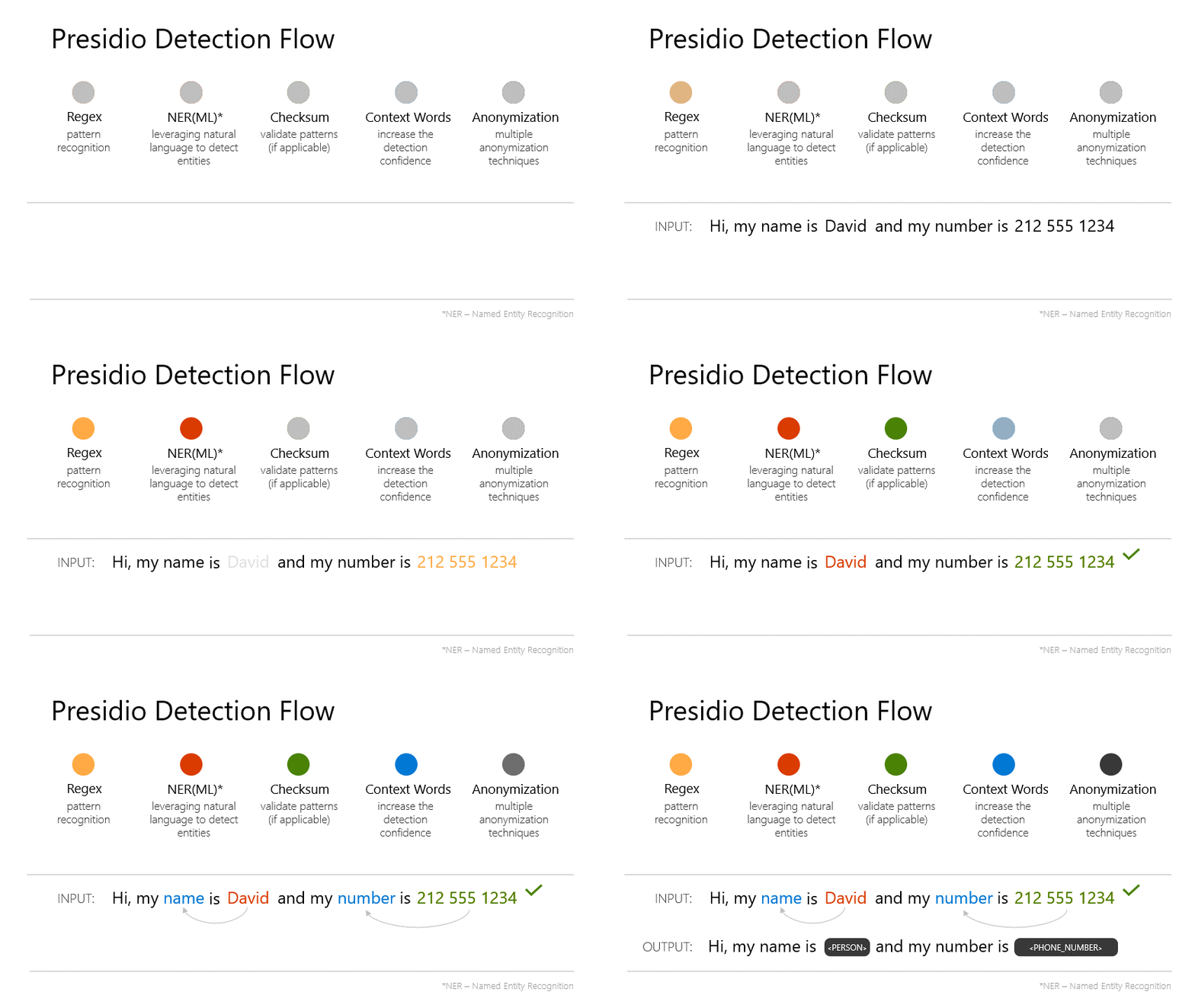
So, What is This Presidio Thing? Alright, let’s get technical. Presidio is an open-source library from Microsoft for finding and anonymizing PII. Think of it like a two-part system: The Analyzer Engine: This is the detective. It scans your text and looks for anything that looks like PII—names, phone numbers, credit cards, you name it. It’s not just one big regex; it’s a whole team of “recognizers” that use a mix of NLP (like spaCy), regular expressions, and even checksums to be extra sure. The Anonymizer Engine: This is the guy with the big black marker. Once the Analyzer finds the PII, the Anonymizer scrubs it out. But it’s smarter than just deleting things. You can tell it how to anonymize. You can redact, mask, replace with fake data, or even encrypt it if you need to get the original data back later. The best part? It’s all pluggable. You don’t like the default NLP model? Swap it out. Need to find a super-specific, internal-only customer ID format? You can write your own recognizer for it. This is good, because it means you’re not stuck with whatever Microsoft decided was a good idea in 2018. ...

August 19, 2025 · 6 min

Browser Use: A Deep Dive into AI-Driven Browser Automation for the Future of RPA

Functionality and Architecture Browser-use is an open-source AI-powered browser automation framework that lets AI agents control a web browser via natural language instructions. Under the hood, it combines large language models (LLMs) with a headless browser automation engine (built on Playwright/Chromium) to interpret tasks and perform web interactions autonomously . When given a task, the Browser-use Agent uses an LLM (like GPT-4o or Claude) to analyze the goal and the current webpage, then issues browser commands (clicks, form fills, navigation, etc.) to achieve that goal. ...

February 23, 2025 · 33 min