Why Your OpenCode Skill Shows No Output (And How to Fix It)

Why Your OpenCode Skill Shows No Output (And How to Fix It) TL;DR: OpenCode’s run mode captures subprocess stdout and only returns it after the command finishes. If your skill launches a long-running pipeline, the user sees nothing for minutes — or hours. The fix: write a plain-text progress log that users can tail -f from a second terminal. The 30-Second Fix If you just want the solution: from datetime import datetime from pathlib import Path def log_progress(output_folder: str, msg: str) -> None: log_path = Path(output_folder) / "progress.log" log_path.parent.mkdir(parents=True, exist_ok=True) with open(log_path, "a") as f: f.write(f"[{datetime.now().strftime('%H:%M:%S')}] {msg}\n") f.flush() # Critical for tail -f! Then tell users: tail -f <output>/progress.log ...
February 28, 2026 · 6 min · 1205 words · Pavel Nasovich

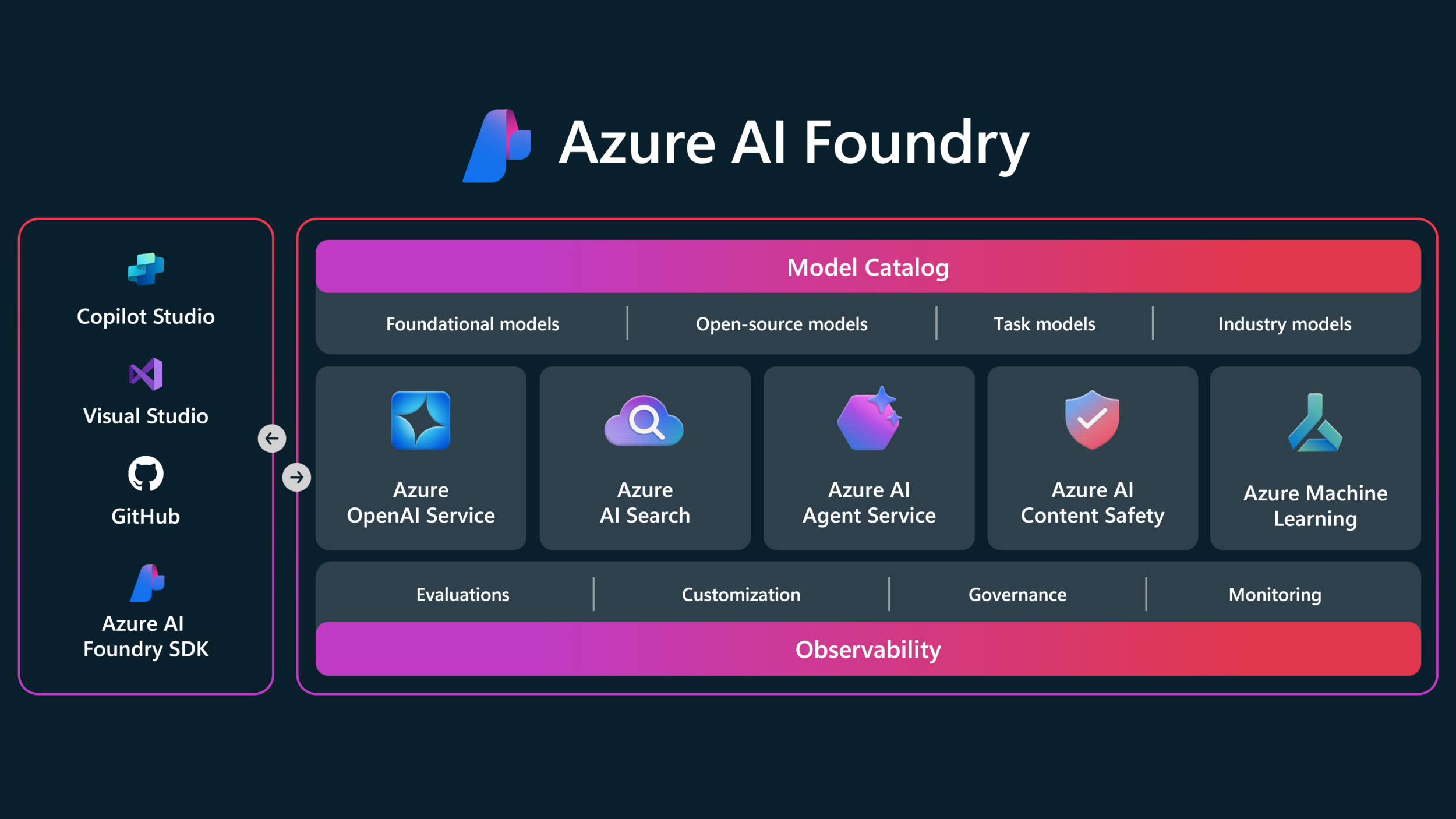
Azure AI Foundry: Building Multi-Agent Systems Without Losing Your Mind (Much)

Hey folks! So, picture this: it’s 3 AM, I’m staring at my fourth attempt to orchestrate multiple AI agents, and my code looks like someone tried to solve the traveling salesman problem with spaghetti. The agents are talking to each other… sometimes. When they feel like it. When Mercury is in retrograde. And then Microsoft drops Azure AI Foundry and promises it’ll solve all my multi-agent orchestration problems. The Problem With Building AI Agents (Or: Why I Started Drinking More Coffee) Let me paint you a picture. You want to build an AI system that actually does something useful. Not just a chatbot that tells you the weather - we’ve all built that demo. I’m talking about real work. Multiple agents, each doing their specialized thing, talking to each other, handling errors, not hallucinating too much. ...

August 27, 2025 · 7 min · 1365 words · Pavel Nasovich

Beyond the Prompt: Securing Your LLM's Connection to the World

Large Language Models (LLMs) are revolutionizing how we interact with technology. But their true potential often unlocks when they break free from their digital sandbox and interact with the real world – fetching live data, triggering actions via APIs, or using specialized software tools. Enter the Model-Context Protocol (MCP) and similar frameworks, designed to be the universal adapter, the “USB-C port,” connecting these powerful models to the vast ecosystem of external tools and data sources. ...

April 14, 2025 · 10 min · 1993 words · Pavel Nasovich

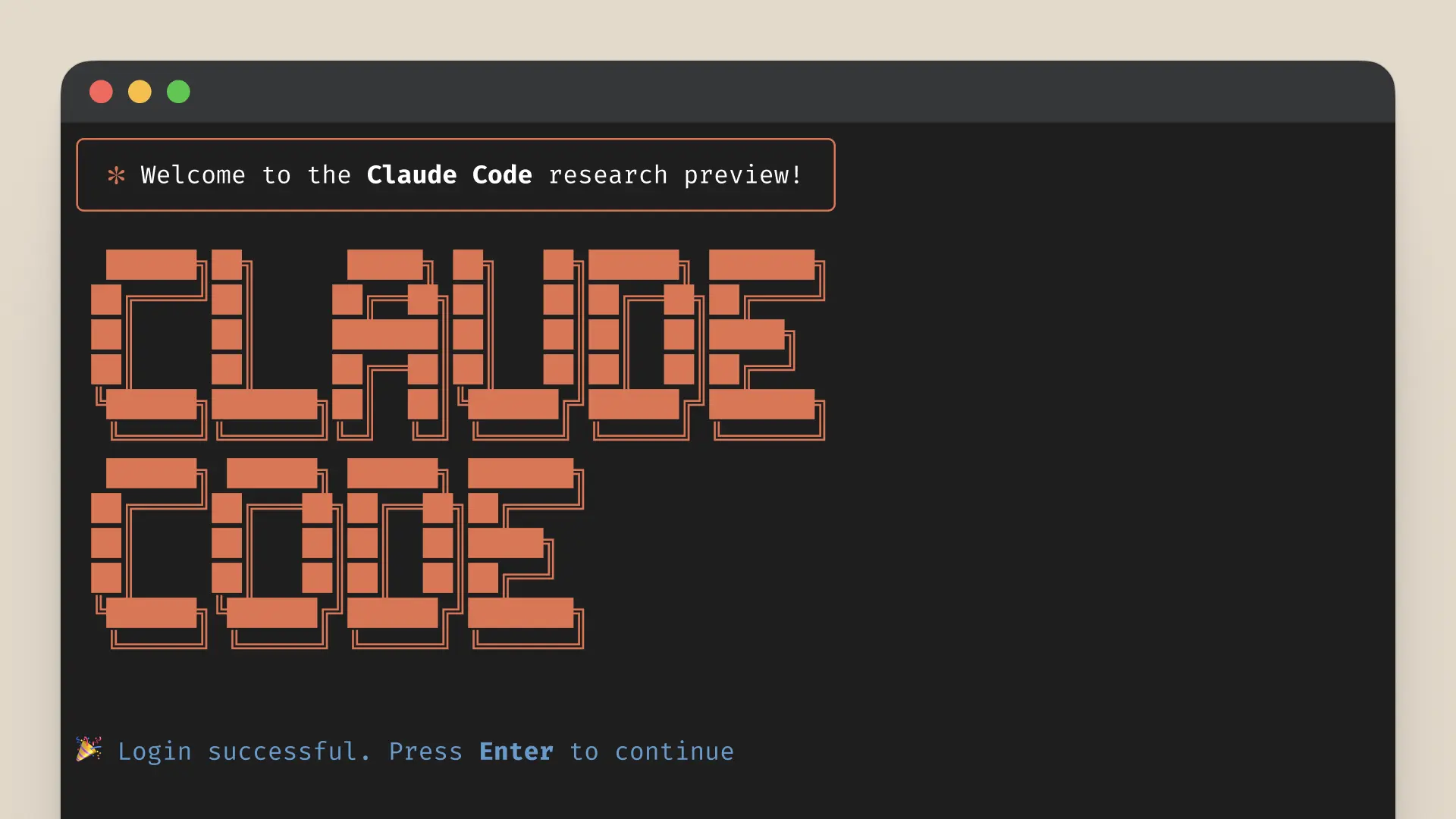
Claude Code (2025): A Comprehensive Analysis of Anthropic’s Terminal AI Coding Assistant

1. High-Level Overview and Positioning Among AI Coding Tools Claude Code is Anthropic’s terminal-based AI coding assistant, introduced in late February 2025 as a “supervised coding agent” for software development. In contrast to traditional code completion tools that integrate into an IDE (e.g. GitHub Copilot, or IDE plugins like Cursor and Windsurf), Claude Code operates through the command line. This design lets it work in any environment – whether you’re in VS Code’s terminal, a remote SSH session, or a basic shell – rather than being tied to a specific editor. Anthropic’s engineers note that because it’s just a CLI tool, “you can bring IDE (or server) you want.” Many Anthropic developers use Claude Code alongside IDEs for the best of both worlds: starting tasks in Claude Code and then fine-tuning in their editor. ...

March 29, 2025 · 20 min · 4248 words · Pavel Nasovich